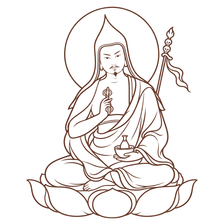
非有神论的能量 Nontheistic Energy
(Please Note: This is Chapter Four in the book Journey without Goal. Additionally, only the audio form of this talk is available on the DVD; no video recording of this talk exists.) Body of talk: 32 min. Questions: 16 min. Overall: 49 min. Date: July 22, 1974
(请注意:本讲对应《无目标之旅》第四章。此外,DVD 中本讲只有音频;本讲没有录像。)讲座正文:32 分钟。提问:16 分钟。总时长:49 分钟。日期:1974 年 7 月 22 日
导言 Introduction
This talk discusses the nontheistic approach to working with the natural self-existing energy that arises in dualistic situations, that is from the apparent gap between self and other. Although dualism is ultimately illusory, from the tantric point of view we acknowledge its apparent occurrence and do not try to suppress or ignore it or the energy it generates. The theistic approach to dualism attempts to conceal its existence and the discomfort that produces. The nontheistic approach knows that because things are separate, they are also unified and can coexist. This approach allows a direct and open relationship with the energies of our world.
本讲讨论以非有神论的方式,运用二元情境中生起的自然、本自存在的能量,也就是从自我与他者之间表面上的间隙中生起的能量。虽然二元性终究是虚幻的,但从密续的观点来看,我们承认它表面上的发生,而不试图压抑或忽视它,或它产生的能量。有神论对待二元性的方式,是试图掩盖它的存在,以及由此产生的不适。非有神论的方式则知道,正因为事物是分离的,它们也是统一的,并且可以共存。这种方式让我们能够与世界中的各种能量建立直接而开放的关系。
基 Ground
The nature of energy.
能量的本性。
- Conventionally, energy is thought of as power, like electricity or an energetic and hard working person who inspires others to follow their example.
- 按照通常的看法,能量被视为一种力量,像电力,或者一个精力充沛、勤奋工作的人,能激励他人效仿。
- Another kind of energy is continuous, self-existing, all-pervasive energy that occurs naturally.
- 另一种能量是持续、本自存在、遍在的能量,它自然地发生。
- This “transparent” energy occurs constantly in all situations, positive and negative, such as our emotional relationships or our personal beliefs. Like flint and steel constantly striking against each other, our interaction with the phenomenal world constantly produces sparks of energy.
- 这种“透明的”能量,不断发生在一切正面和负面的情境中,例如我们的情感关系或个人信念。正如燧石与钢铁不断相击,我们与现象世界的互动也不断产生能量的火花。
- According to the tantric tradition, this energy arises from the realization of duality—that you exist and the other exists (“…which is false, of course, but who cares?”).
- 按照密续传统,这种能量来自对二元性的认识——你存在,他者也存在(“……当然,这是假的,可是谁在乎呢?”)。
- The “deceptive game” of duality and the energy it produces occurs constantly as you and the elements of phenomenal world work with each other.
- 当你与现象世界的各种元素相互作用时,二元性的“欺骗游戏”及其产生的能量便不断发生。
道 Path
Theistic and nontheistic approaches to duality
有神论与非有神论对待二元性的方式
- The question is how we can work with the energy of duality. The theistic approach tries to bring self and other together, as if the energy of duality were not occurring at all. This approach, which is grounded in the desire to make ourselves comfortable, actually provokes further energy rather than smoothing things out.
- 问题在于,我们如何运用二元性的能量。有神论的方式试图将自我与他者结合在一起,仿佛二元性的能量根本没有发生。这种方式以让自己舒服的愿望为基础,实际上并未使事情平息,反而激起了更多能量。
- The theistic tradition of spirituality may allow more room for deception than the nontheistic approach which is much harsher, more skeptical and unyielding, even somewhat outrageous.
- 有神论的灵性传统可能比非有神论的方式给欺骗留下更多空间;非有神论的方式严厉得多,更加怀疑、不屈,甚至有些出格。
- In the nontheistic tradition of Buddhist tantra, we do not view ourselves as having been created, but we are some kind of being (or non-being).
- 在佛教密续的非有神论传统中,我们不认为自己是被创造出来的,但我们是某种存在(或不存在)。
- From this point of view, there is a sense of continuity without panic or hysteria. This continuity includes the apparent separateness between ourselves and the world.
- 从这一观点来看,有一种没有惊慌或歇斯底里的相续感。这种相续包括我们与世界之间表面上的分离。
果 Fruition
Nontheistic energy
非有神论的能量
- In the nontheistic tradition, there is a sense of continuity, openness and “zeroness” rather than “oneness,” due to the absence of the dualistic barrier.
- 在非有神论传统中,由于二元屏障的缺席,会有一种相续、开放和“零性”的感觉,而不是“一体性”的感觉。
- Tantra means “continuity” or a “thread” of openness that runs through our life from beginning to end.
- 密续意为“相续”,或一条从头到尾贯穿我们生命的开放之“线”。
- From this point of view, because energy is separate from you, energy is part of you; separateness could not exist without you.
- 从这一观点来看,因为能量与你分离,能量便是你的一部分;没有你,分离就不可能存在。
- In the nontheistic tradition, energy is vital and important. The world is viewed as purely a psychological process.
- 在非有神论传统中,能量至关重要。世界被视为纯粹的心理过程。
- From the point of view of Buddhist tantra, you do not need to rely on feedback to work with energy or develop siddhi (Sanskrit: Power). Rather you relate with all situations—life, friends, enemies and so on—simply and directly as much as possible.
- 从佛教密续的观点来看,要运用能量或发展成就(siddhi,梵语意为“力量”),你无需依靠反馈。相反,你尽可能简单、直接地与一切情境——生活、朋友、敌人等等——建立关系。
- This approach is “decentralized” in that we do not centralize energy within ourselves. Rather, nontheistic energy is spreading, opening, and all-pervasive in nature, constantly expanding like the light of the sun and moon.
- 这种方式是“去中心的”,因为我们并不把能量集中于自身之内。相反,非有神论的能量在本性上是扩散、开放且遍在的,像日月的光芒一样不断扩展。
听众提出的问题 Questions asked by the audience
1) The Buddha said that the definition of an arhat is one who has stopped the outflows. Can you comment on that?
1) 佛陀说,阿罗汉的定义是一个断尽诸漏的人。您能否就此谈谈?
2) You said that the nontheistic tradition is superior. What, then, is the attraction of the theistic tradition? Additionally, what is the attraction of the nontheistic tradition to its practitioners, since it has no “payoff” in the theistic sense?
2) 您说非有神论传统更为优越。那么,有神论传统的吸引力在哪里?另外,既然非有神论传统没有有神论意义上的“回报”,它对修行者的吸引力又在哪里?
3) In Talk 3, you discussed how positive and negative feelings define the totality of the three mandalas. Tonight I believe you described accepting and rejecting as sparking dualistic energy. Is that correct?
3) 在第三讲中,您谈到正面与负面的感受如何界定三种曼荼罗的整体。今晚,我想您把接受和拒绝描述为会激起二元能量。是这样吗?
4) You speak of God as an experience of going inward, but couldn’t we call “God” the experience of what is beyond us?
4) 您将上帝说成一种向内的体验,但我们难道不能把超越自身的体验称为“上帝”吗?
5) What do you mean by “work with the energy?”
5) 您说的“运用能量”是什么意思?