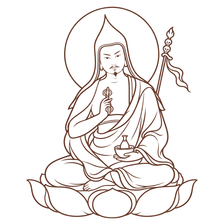
Sang Practice – Basic Principles
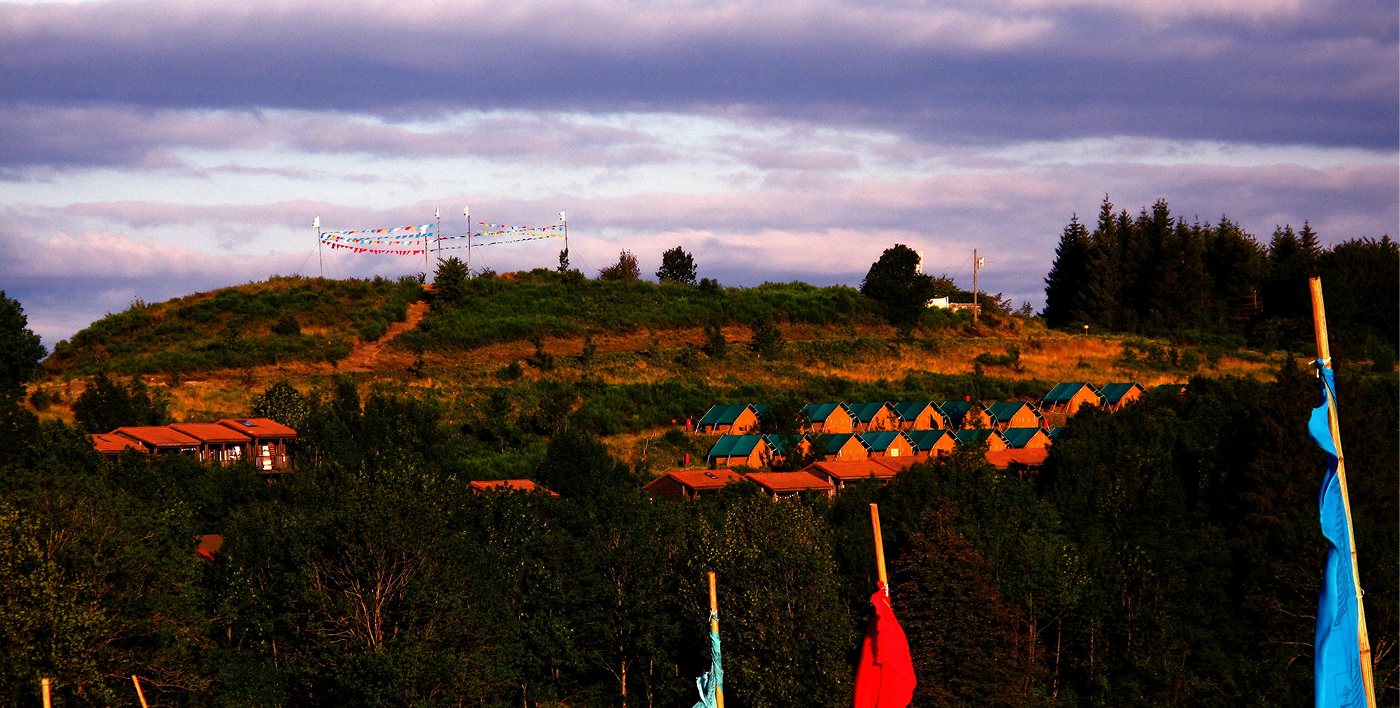
As was a custom in Lerab Ling, everyone would gather on the highest hill and offer sang. It was a glorious summer morning, and Rinpoche used the opportunity to present the main principles of sang to help Western practitioners connect with this Tibetan practice, before explaining about “wind horse”, or lungta.
按照拉热林的惯例,大家会聚集在最高的山丘上供桑烟。那是一个阳光明媚的夏日清晨;仁波切利用这个机会,在讲解“风马”之前,先介绍桑烟供的主要原则,帮助西方修行者与这一西藏修法建立联系。
“You need to teach on sang”, I was told this morning.
今天早晨,有人告诉我:“您需要讲一讲桑烟供。”
桑烟供修法的背景 Sang Practice—Background
In Tibet, the practice of sang predates the arrival of the Buddhist teachings. When Guru Rinpoche came to Tibet, he conducted the earth-taming practice to prepare the ground for the construction of the temple at Samyé. On that occasion, he adapted the native sang and ‘ngen’[1] practices – which are slightly different practices – and serkyem offering, to make them part of the Buddhist path.
在西藏,桑烟供修法早在佛教传入以前就已存在。莲花生大师来到西藏后,为筹建桑耶寺而修降伏地基之法。当时,他对本土的桑烟供与“念供”[1]——这两种修法略有不同——以及金饮供作了调整,使它们成为佛教道的一部分。
People, as well as the gods and spirits of Tibet had been used to these practices. So Guru Rinpoche kept some of these rites. By and large, they did not need to be changed and Guru Rinpoche blessed them, and just adapted some aspects to make them Buddhist practices. In this way Guru Rinpoche was able to ensure enormous benefit both for the people and for the non-human gods and spirits of that region.
西藏的人们以及诸天鬼神,都已经习惯了这些修法。因此,莲花生大师保留了其中一些仪式。大体上,它们不需要改变;莲花生大师给予加持,只对某些方面作了调整,使它们成为佛教的修法。这样,莲花生大师便能让当地的人与非人的诸天鬼神都获得极大利益。
In terms of the changes, it seems that in the pre-Buddhist tradition of sang offerings in Tibet, there were actually occasions when animals would be sacrificed in the fire. Guru Rinpoche resorted to skilful means to modify these practices: instead of sacrificing animals he established instead the tradition of making dough moulds of various kinds. He also introduced the use of deity, mantra, mudra and samadhi to bless the offerings, so that local deities and spirits actually receive an offering.
说到其中的改变,在佛教传入以前的西藏桑烟供传统中,似乎确实有将动物投入火中祭献的情况。莲花生大师以善巧方便改变了这些修法:不再牺牲动物,而是建立了用面团制作各种模型的传统。他还引入以本尊、咒语、手印与三摩地加持供物的方法,使地方神祇和鬼神能真正得到供养。
Also, he instructed how to bless the specific substances which are offered into the fire in a sang ceremony—different kinds of grains, small pieces of fine silk, various powdered gems and so forth. They are blessed as the 'wealth of the space treasury'; in other words they are transformed into an inexhaustible source of benefit and fulfilment of all one's goals from now until the end of the kalpa.
此外,他还教导如何加持桑烟供仪式中投入火里的各种特定供物——各类谷物、小片上好丝绸、各种宝石粉末等。它们被加持为“虚空藏财富”;也就是说,从现在直到劫尽,它们都转化为无穷无尽的来源,带来利益,成办一切所求。
本尊、咒语、手印与三摩地的力量 The Power of Deity, Mantra, Mudra and Samadhi
In general, the practices of Secret Mantra Vajrayana involve deity, mantra, mudra and samadhi, whose qualities are inconceivable. It may be useful to tell you two short stories to help you understand their power.
一般而言,密咒金刚乘的修持包含本尊、咒语、手印与三摩地,其功德不可思议。为了帮助你们理解它们的力量,讲两个小故事或许会有用。
There was a very famous physician in Tibet, called Yutok Yonten Gonpo. He was a very effective doctor who was extremely good at curing human beings, and who would also treat local deities and spirits. One day he was invited to the palace of Nyenchen Tanglha, one of Tibet’s main local deities, to cure his son who had become ill. On that occasion, Nyenchen Tanglha showed the doctor all the treasures in his palace. He kept in one chamber a very special treasure that came from the ‘wealth of the treasury of space’. Nyenchen Tangla explained to Yutok Yonten Gonpo: "It was blessed by Guru Rinpoche who gave it to me. I never show it to anyone, but I will make an exception for you.” The doctor saw a small, old torma (that looks like our sang tormas). Nyenchen Tanglha said, "This is the one that Guru Rinpoche gave me. It’s from the inexhaustible wealth of the treasury of space that readily gives you anything you wish for.” Such was Guru Rinpoche’s mastery of deity, mantra, mudra and samadhi.
On one occasion, Jamyang Khyentse Wangpo and Jamgön Kongtrül Lodrö Thayé went by the Sutrim Lake in the Dergé region. They pitched a tent, and offered a sang there. A longish nugget of gold was on the table in front of Jamyang Khyentse Wangpo. At one point, Jamyang Khyentse Wangpo handed the nugget to Jamgön Kongtrül, saying he received it from Lake Sutrim’s deity.
有一次,蒋扬钦哲旺波和蒋贡康楚·罗卓泰耶来到德格地区的苏钦湖畔。他们搭起帐篷,在那里供桑烟。蒋扬钦哲旺波面前的桌上放着一块长条形的金块。过了一会儿,蒋扬钦哲旺波把金块交给蒋贡康楚,说这是苏钦湖神给他的。
Jamgön Kongtrül rubbed the gold nugget for quite a while and said,
—There still might be some very powerful mantra practitioners left. For instance, I can dissolve this lump of gold.
—Go ahead, dissolve it then, Jamyang Khyentse replied.
蒋贡康楚搓了好一阵金块,然后说:
“或许还留下了一些很有力量的密咒行者。比如,我就能消解这块金子。”
蒋扬钦哲回答:“那就来吧,把它消解掉。”
Jamgön Kongtrül Rinpoche said a few mantras as he rubbed the nugget in his hands, and it transformed slowly from the top into a wooden stick, like the kind of sticks that are offered into the fire during a sang offering.
蒋贡康楚仁波切一边用手搓金块,一边念了几句咒语。金块从顶端开始,慢慢变成一根木棍,就像桑烟供时投入火中的那种木棍。
Blessing is only possible when a genuine mantra practitioner has gained complete mastery over deity, mantra, and samadhi. If the person who tries to dissolve the lump of gold does not have this kind of realization, no dissolution will happen even after resting in samadhi and directing the practice.
只有真正的密咒行者对本尊、咒语与三摩地获得完全自在,才有可能作这样的加持。如果试图消解金块的人没有这种证悟,即使安住三摩地并引导修法,也无法将它消解。
桑烟供修法 Sang Practice
桑烟供需要四类宾客 Sang Offering Requires Four Types of Guests
The guests of the first type are called ‘the Three Jewels invited out of respect’ – all the enlightened beings who are beyond the world of ordinary individuals, such as the Three Jewels, lama, yidams and dakinis, or dharma protectors.
第一类宾客称为“恭敬迎请的三宝宾客”,也就是超越凡夫世间的一切觉悟圣者,例如三宝、上师、本尊、空行母或护法。
Guests of the second type are the ‘protectors invited for their qualities’. They are the male, female and neuter protectors. These are wisdom beings who manifest in the form of worldly beings to protect the Vajrayana teachings.
第二类宾客是“因功德而迎请的护法”,即男性、女性与无性的护法。他们是智慧尊,以世间众生的形相示现,护持金刚乘教法。
It is said that it is also appropriate to make offerings of sang to a third type of guests, the ‘guests with whom we have karmic debts’. They are those who constitute hindrances and obstacles, such as the eighteen great döns – the gyalgön male döns, and the dremo female döns. They arise from the delusion and the grasping at the appearances, which are the natural self-manifestation of rigpa, as real. They are all included in the eight classes of gods and demons.
据说,也可以向第三类宾客——“与我们有业债关系的宾客”——供桑烟。他们是造成障碍与违缘者,例如十八大魔祟:男性的嘉贡和女性的哲莫等魔祟。他们源于迷乱,以及将觉性自然自现的显相执为实有。他们都包含在神魔八部之中。
The fourth type of guests corresponds to ‘the beings of the six classes invited out of compassion’: the beings in the six states of samsaric existence, and especially the bardo beings who have abandoned the body of their former life and not yet found the one of the next and wander in the bardo regions, suffering from desire, aversion, and ignorance.
第四类宾客对应的是“出于悲心而迎请的六道众生”,即轮回六种生存状态中的众生,尤其是那些已经舍弃前世身体、尚未获得来世身体,漂泊于中阴境界,遭受贪、嗔、痴之苦的中阴众生。
供养的方法 The Way to Present the Offerings
How is the offering made? When you practise sang, you must think that you are a yidam deity, such as Noble Avalokiteshvara or Guru Rinpoche. Meditate on the fire in front of you, into which you make the offering of sang, as the female deity Pandaravasini in nature. You meditate that from the heart centre of you as the deity emanate the syllables ram, yam and kham, which are the syllables of fire, wind and water respectively. Ram produces fire that completely burns away all impurities; yam blows wind that scatters them; and the water that comes from kham completely cleanses them away. Then, the smoke of the fire, and the fire itself, are now in nature clouds of outer, inner and secret offerings, multiplied billions of times over until they fill the whole of space, fulfilling every wish of the deities. This is, in short, the way to offer sang.
应当怎样供养?修桑烟供时,你必须观想自己是本尊,例如圣观世音或莲花生大师。观想面前接受桑烟供物的火,其本性为女尊白衣佛母。观想自身本尊的心间放射出ram、yam与kham三个种子字,分别为火、风、水之字。Ram生火,将一切不净完全焚尽;yam吹起风,将其吹散;kham所生之水,将其彻底洗净。接着,火中升起的烟以及火本身,本性都成为外、内、密供养云,增广数十亿倍,直至充满整个虚空,满足诸尊的一切愿望。简言之,这就是供桑烟的方法。
The guests of the sang – the four types of guest we have just explained – are invited to the sang. They arrive instantly. The sang offering is offered to them on the spot, and immediately, they are requested to depart.
桑烟供的宾客——刚才解释过的四类宾客——被迎请到供养处。他们即刻到来,随即当场向他们供养桑烟,然后立即祈请他们返回。
桑烟供修法的利益 The Benefits of Sang Practice
By offering to the first kind of guests – ‘the Three Jewels invited out of respect’ – you ensure that you and all beings in number as vast as space are brought under the protection of these sources of refuge and receive their blessings, and gain spiritual attainment.
供养第一类宾客——“恭敬迎请的三宝宾客”——能使自己与量等虚空的一切众生,得到这些皈依处的护佑与加持,并获得成就。
By making offerings to the second kind of guests – the protectors invited because of their qualities –, any obstacles or hindrances to the practice of the holy dharma will be overcome, and ordinary and extraordinary spiritual attainments achieved, as they accomplish their activities to benefit sentient beings.
供养第二类宾客——因其功德而迎请的护法——当他们行持利益众生的事业时,修持正法的一切障碍与违缘便会被消除,并能获得共同与殊胜成就。
By offering the sang to the third kind of guests – hindrances and negativity, invited because of our karmic debts –, the precious mind of enlightenment arises in every one of them, they abandon their violent ways and harmful activities directed at any being, and instead turn their minds to the path of dharma and towards liberation.
向第三类宾客——因我们所欠业债而迎请的障碍与邪祟——供养桑烟,会使他们每一位都生起珍贵的菩提心,舍弃暴戾行为以及伤害任何众生的恶行,转而将心趣向佛法之道与解脱。
By making offerings to the fourth kind of guests – the beings of the six classes invited out of compassion –, their karmic debts accumulated in the three realms from time without beginning are purified, suffering of attachment, aversion and ignorance are pacified, and they make aspiration prayers to follow the path of happiness to higher states of rebirth.
供养第四类宾客——出于悲心而迎请的六道众生——会净除他们无始以来在三界中积累的业债,平息贪、嗔、痴之苦,使他们发愿循着安乐之道,转生善趣。
That concludes the short presentation of sang practices in general.
以上便是对桑烟供修法的一般性简要介绍。
Translated by Gyurmé Avertin
Edited by Ane Tsondru
英译:久美·阿韦尔坦
英文编辑:阿尼尊珠
原注 Notes
出处与版本
原刊:ALL-OTR · Sang Practice – Basic Principles。讲授:17th August 1997;Lerab Ling, France。原刊发布日期:2017-03-19。